People ask us about microneedling with exosomes for both their skin and their scalp. It is one of the more misunderstood services in this field, partly because the word "exosome" gets attached to very different products. This article explains what the session actually involves at our National City clinic, what our exosomes are, and what we can and cannot tell you about it.
Nothing here is a promise about results. It is a plain description of a procedure, written so you know what you are comparing when you look at any clinic.
What microneedling is
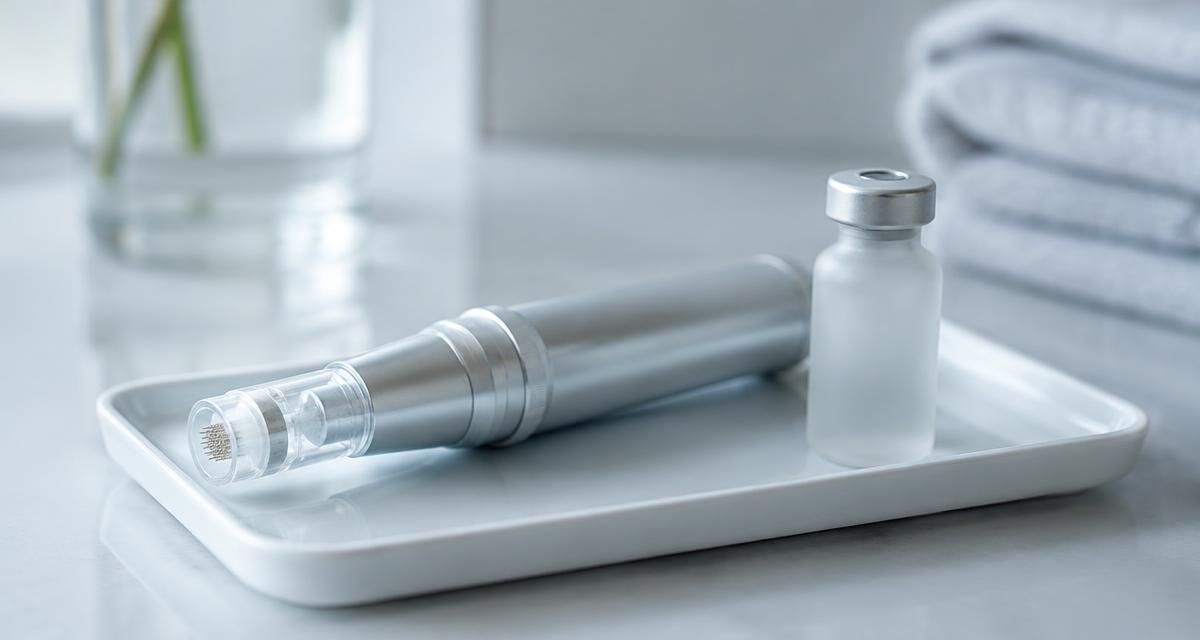
Microneedling uses a handheld device with a cluster of very fine, sterile needles. As it moves across the skin, it creates a pattern of controlled micro-channels — tiny, shallow openings in the surface layer. The depth is set by the provider and depends on the area being treated. The device itself has been used in skin-care settings for years; what varies from clinic to clinic is what is applied to the skin during and after.
How exosomes are applied
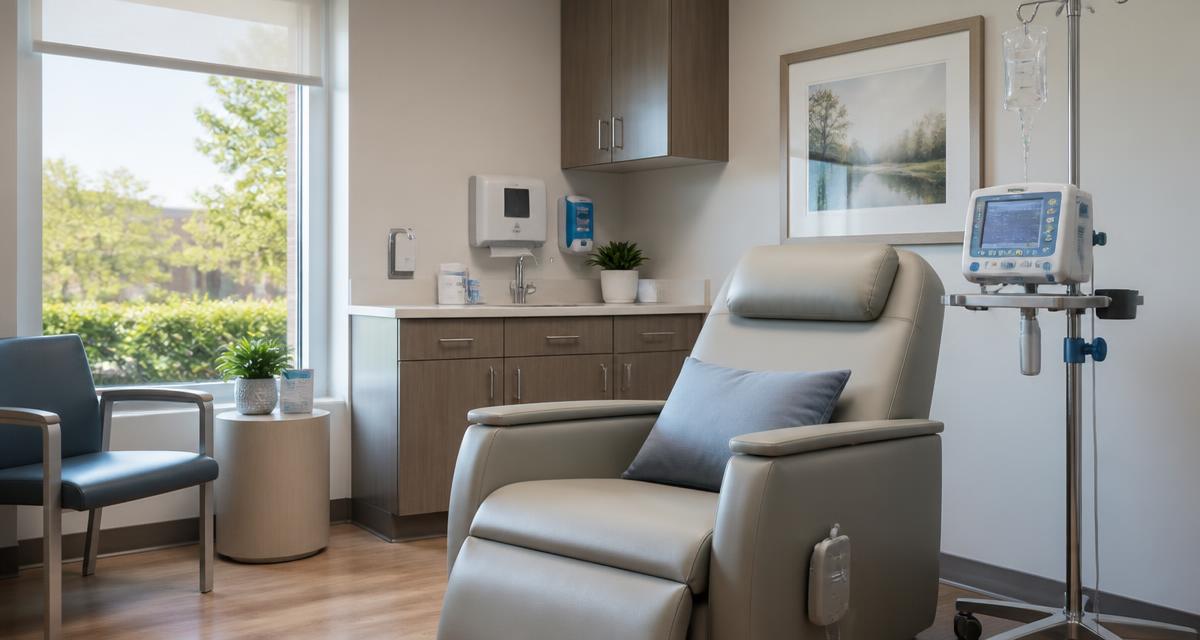
In this session, exosomes are applied topically. They are spread across the skin or scalp during and immediately after microneedling, while the micro-channels are open. There is no IV and no injection involved. That makes this a different service from our exosome IV, which is a separate infusion.
Exosomes are tiny vesicles released by cells. Researchers are studying how they carry signals between cells and how they behave when applied to skin. That research is ongoing, and we are careful not to describe it as more settled than it is.
What our exosomes are — and what the terms mean
The exosomes we use are MSC-derived, meaning they come from mesenchymal stem cells, and they are sourced from an FDA-registered U.S. laboratory. They are stored frozen — cryopreserved — until the day of your session. They are not freeze-dried, and they are not plant-based.
Those terms are worth understanding when you compare clinics, because they describe genuinely different products:
- MSC-derived exosomes come from human mesenchymal stem cells grown in a laboratory.
- Cryopreserved means the product is kept frozen at very low temperatures and thawed for use.
- Freeze-dried (lyophilized) products have had their water removed and are reconstituted before use. They are a different format, stored differently.
- Plant-based "exosomes" come from plants rather than human cells. They share a name but are not the same thing.
Each of our sessions applies 150 billion exosomes. If you are comparing clinics, it is reasonable to ask any of them what source, format and quantity they use. Patients receive the lab report for their vial before treatment.
Face, scalp, or both
The face and the scalp can be done in the same session. Your provider will talk through which areas make sense for you and set the device appropriately for each one.
What a session looks like
- Cleansing: the area is cleaned and prepared. For the scalp, hair is parted so the device can reach the skin.
- Numbing: a topical numbing cream is applied and left to take effect, which is usually the longest part of the visit.
- Microneedling: the provider moves the device across the area in a set pattern.
- Exosome application: exosomes are applied to the skin or scalp during and right after microneedling.
- Wrap-up: you get your aftercare guidance before you leave.
Temporary redness is typical afterward — many people describe it as looking like a mild sunburn — and some notice slight tenderness. Your provider will tell you what falls within the expected range.
Aftercare basics
Your provider gives you specific instructions, and those come first. In general, people are asked to keep the area clean, avoid makeup and heavy products for a short period, stay out of direct sun and use sunscreen once the skin allows it, and skip hot tubs, saunas and hard workouts for a day or two. For the scalp, you will be told when it is fine to wash your hair.
If anything looks or feels outside what you were told to expect, call or text (619) 918-0581. Questions go to the same team that did your session.
How many sessions?
People often ask how many sessions they will need. The honest answer is that it is a conversation with your provider, based on your goals and how your skin responds to the first one. We do not promise a number of sessions or a result. If more than one session is discussed, each is priced at the same published rate.
MSC stem cell and exosome products are not FDA-approved to treat, cure, mitigate, or prevent any disease. Research remains ongoing and individual results vary. A licensed clinical provider determines whether any option is appropriate for you.
Price
Microneedling with exosomes is $999 per session. You get an itemized price in writing before anything is scheduled, and the first step is a free phone consultation with our team. You can see the rest of our published pricing on the pricing page.
Where to find us
Stem Cell RX is at 655 Euclid Ave, Suite 210, National City, CA 91950, with free on-site parking. Hours are Monday–Friday, 9:00 AM–6:00 PM. Call or text (619) 918-0581.
Every patient must complete a clinical evaluation with a licensed healthcare professional to determine whether therapy is appropriate. Treatment is not recommended for all individuals.
Frequently asked questions
- How much is microneedling with exosomes?
- $999 per session. You receive an itemized price in writing before anything is scheduled.
- Are the exosomes injected?
- No. They are applied topically to the skin or scalp during and right after microneedling. There is no IV and no injection.
- What kind of exosomes do you use?
- MSC-derived exosomes from an FDA-registered U.S. laboratory, stored frozen (cryopreserved). They are not freeze-dried and not plant-based. Each session applies 150 billion exosomes.
- Can the face and scalp be done in one session?
- Yes. Both areas can be done in the same session. How many sessions to consider is decided with your provider.
Keep exploring Stem Cell RX
- See all published pricingEvery option and price, posted publicly.
- Stem cell therapy in San DiegoOur clinic, team and visit details for San Diego patients.
- What are exosomes?A plain-English background on exosomes.
- What "FDA-registered lab" meansWhat registration does and does not tell you.